The Brazilian Savanna:
A Crucial Biome
for Brazil

The Brazilian Savanna is a crucial biome for Brazil, housing rich biodiversity and playing an essential role in regulating climate and maintaining ecological balance. With flora and fauna highly adapted to dry conditions, the Brazilian Savanna is home to various species such as the maned wolf and the giant anteater, as well as plants that withstand long periods of drought. This natural resilience has developed over centuries of harmonious coexistence between traditional communities and the environment, where ancestral knowledge has shaped ecological practices that preserve the biome.

The Roots of the Future Project is based on this ancestral knowledge, promoting the use of ecological practices in the development of a city model. By re-establishing the connection between humanity and nature, the project offers a new perspective for the future, where respect for ecosystems and the conscious use of resources are priorities to ensure environmental preservation.

Brazilian Savanna:
The Biome of Diversity and the Urgency of Preservation

One of the largest and most important biomes in Brazil, covering approximately 24% of the national territory. Known as the “cradle of waters” and the “green heart” of Brazil, this biome not only houses one of the richest biodiversities on the planet but also plays a crucial role in water and climate regulation in the country. Throughout its vast extension, the Brazilian Savanna offers a rich tapestry of ecosystems, cultures, and traditions, all under constant threat from environmental degradation. This article explores the ecological, cultural, and geological importance of the Brazilian Savanna, as well as the challenges and solutions for its preservation.

Cradle of Waters:
The Water Importance of the Brazilian Savanna

Known as the “cradle of waters” due to its critical function in recharging aquifers and maintaining Brazil’s main river basins, such as the Tocantins-Araguaia, Paraná, and São Francisco basins. Its elevated altitudes and adapted vegetation function as a natural sponge, absorbing and storing large amounts of water. This water is slowly released to form rivers, streams, and lakes, which are crucial for life in various regions of Brazil. The aquifers of the Brazilian Savanna, such as the Guarani and Urucuia, are vital for large-scale water supply, ensuring the survival of entire ecosystems and agricultural production in many regions.


Diversity
of Landscapes
and Ecosystems

The Brazilian Savanna is a transitional biome, connected to other major ecosystems like the Amazon and Caatinga, offering a variety of landscapes ranging from rocky fields to gallery forests. The veredas, for example, are seasonally flooded wetlands that house flora adapted to floods, such as the buriti palm, and diverse aquatic fauna. The chapadas and cerradões are vegetative formations that reflect the species’ resilience to drought and fire, while gallery forests protect watercourses and create microclimates that sustain a rich and unique biodiversity. The rocky fields, located at altitudes above 900 meters, house endemic species, including orchids and cacti, which have evolved in isolation in these rocky areas. The plains and cerradões provide fertile soils, suitable for agriculture, but they are also fragile environments, whose destruction can compromise regional water balance and biodiversity.

Flora of the Brazilian Savanna: Adaptations and Economic Importance

The flora of the region consists of more than 12,000 plant species, many of which are endemic. These plants have developed specific adaptations to survive extreme drought and fire conditions. Among the best-known species is the pequi (Caryocar brasiliense), a fruit widely used in regional cuisine and important for local fauna, which depends on its fruits for sustenance. The buriti (Mauritia flexuosa), a typical palm of wet areas, also plays a crucial role in the diet of many species and in the local economy, being used to produce food and cosmetics. The ipê (Tabebuia spp.) is another iconic species of the Brazilian Savanna, known for its exuberant flowering, and besides its beauty, it is valued in traditional medicine for its healing properties.

The plants of the Brazilian Savanna are also a source of important scientific studies, especially regarding their adaptations to fire and drought, which contribute to advancing ecological knowledge and developing sustainable solutions for agriculture and conservation.

Fauna of the Brazilian Savanna: Endangered Biodiversity

The fauna is equally diverse, with a wide variety of mammals, birds, reptiles, and insects. The biome is home to iconic species such as the maned wolf, the giant anteater, the giant armadillo, and the pampas deer. These species, often endangered, play crucial ecological roles, such as regulating prey populations and seed dispersal. The birdlife of the Brazilian Savanna is also notable, with more than 800 bird species, including birds of prey like the southern caracara and the chimango, as well as several species of parrots, such as the hyacinth macaw and the yellow-faced parrot. The ecosystems of the Brazilian Savanna are also rich in reptiles and amphibians, including several snake species, such as the rattlesnake and the jararaca, which play a vital role in controlling rodent populations. The diversity of insects, particularly ants, is impressive, with leaf-cutter ants and other species known for their social organization and impact on ecosystems.

Fire in the
Brazilian Savanna:
An Ally and a Threat

Fire is a natural element in the Brazilian Savanna, playing an essential role in the regeneration of many plant species. Many species, such as grasses and trees, have developed resistance to fire, which helps clear vegetation and allows new plants to grow. However, the increased frequency and intensity of fires caused by human activities and climate change pose a serious threat. Proper fire management is a challenge for ecologists, who seek to balance its natural function with the need to protect the biome from excessive burning.

Crystals and Rocks: The Geology of the Brazilian Savanna

The Brazilian Savanna also stands out for its rich geological formations, which include quartzites, quartz, and amethysts. These formations are part of the biome’s spectacular landscape and have scientific and economic value, attracting both scholars and mineral collectors. The presence of limestone also contributes to the formation of caves and other karst features, adding an extra layer of diversity to the biome.

Traditional Communities of the Brazilian Savanna

The Brazilian Savanna is home to various traditional communities, including indigenous and quilombola groups, which maintain an intimate and sustainable relationship with the land. Groups like the Avá-Canoeiro, traditionally nomadic, have a deep knowledge of the biome, using its resources for subsistence and adaptation. The Kalunga people, descendants of escaped slaves who fled to the interior of the Brazilian Savanna, are examples of cultural and agricultural resistance, cultivating sustainably and preserving the balance between humans and nature.

These communities keep ancestral traditions alive, such as the use of medicinal plants and subsistence farming, and are true guardians of the Brazilian Savanna. Additionally, cultural events such as the Festival of Cultures and the Queen’s Hunt celebrate the cultural diversity and richness of the biome.

Lessons from
Wildlife for Human Architecture

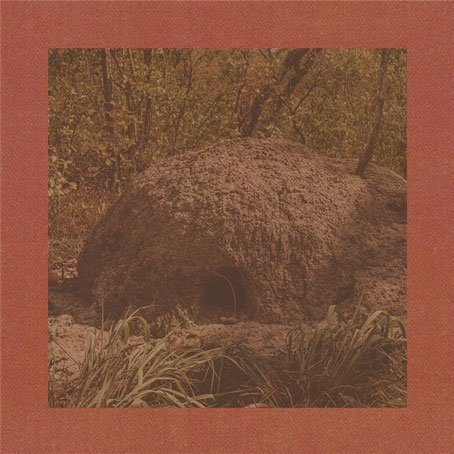
The nature of the Brazilian Savanna also offers valuable lessons for architecture and bio-construction. Animal architecture, such as bird nests and termite mounds, inspires sustainable human constructions. The concept of biomimicry, which seeks to imitate nature’s solutions to solve engineering and design problems, is applied in techniques such as cooling towers inspired by termite mounds and passive cooling systems in buildings. Bio-construction in the Brazilian Savanna also stands out for using natural materials and traditional techniques, such as adobe and thatched roofs, which offer ecological and culturally integrated solutions for sustainable construction.

The Urgency of Preserving the Brazilian Savanna

With more than half of its original area already converted to agriculture and livestock, the Brazilian Savanna is gravely threatened. The destruction of this biome compromises not only its biodiversity but also Brazil’s water and climate security. Preserving the Brazilian Savanna is an urgent issue that requires coordinated efforts between governments, NGOs, local communities, and society as a whole. The adoption of sustainable agricultural practices, proper fire management, and support for traditional communities are some of the essential actions to ensure the survival of this vital biome.

The Brazilian Savanna is, at once, a natural, cultural, and geological treasure. Its preservation is not only a matter of biodiversity, but also of ensuring the future of water and climate in Brazil and around the world. May we learn from the resilience of this biome and act in its defense, preserving its richness for future generations.

Want to know more about the Roots of the Future project?

Get in touch